The Importance of Rekeying Your Locks: Top Tips from Experts and Local Services Ready to Help!
Rekeying locks is fundamental to strengthening the security of your home. It is particularly important after considerable life changes, including a move or the end of a relationship. This procedure makes existing keys obsolete, ensuring that unauthorized individuals cannot access your property. Being aware of when and how to rekey your locks can have a major impact on your personal safety. However, not every rekeying service offers the same level of quality. Taking the proper steps to find the right provider can make a significant difference.
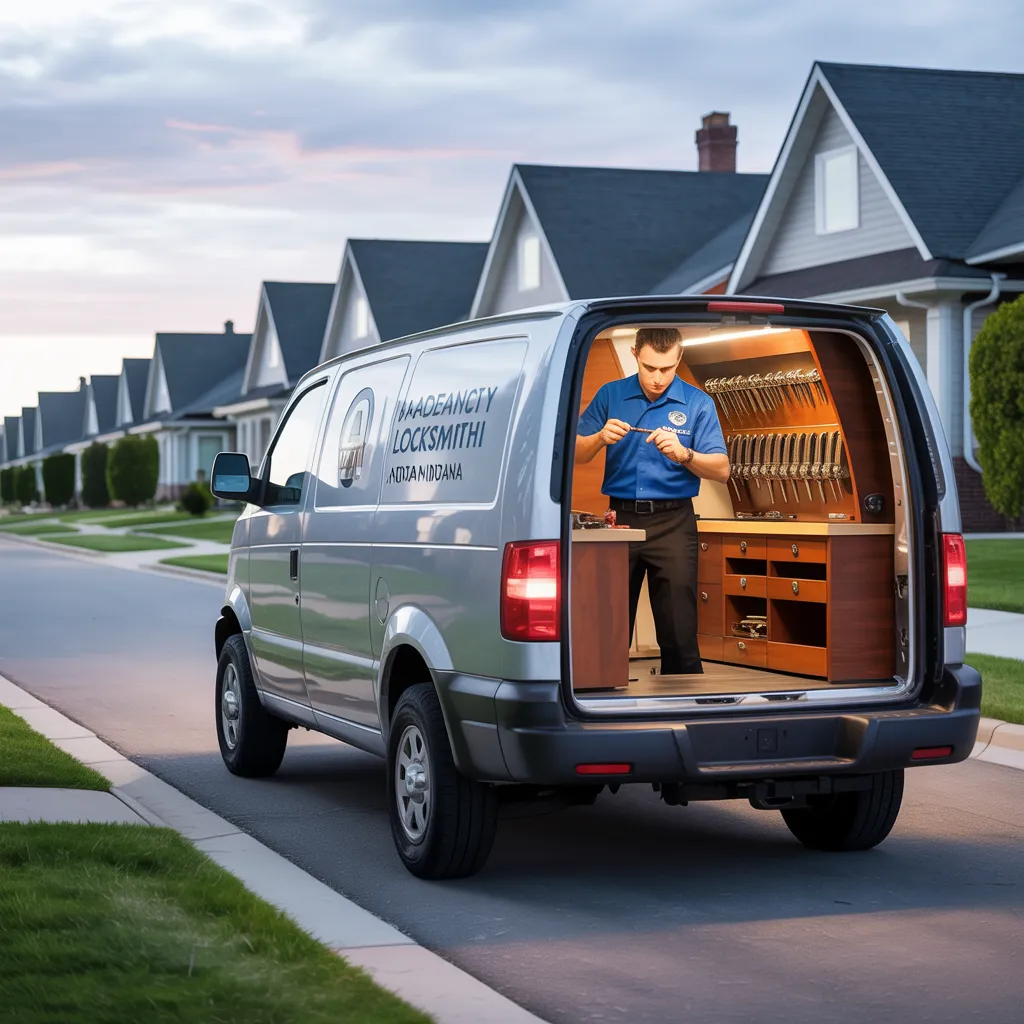
Why Rekeying Plays a Key Role in Your Home's Security
Rekeying is essential for strengthening a home's protection, especially when there are concerns about unauthorized access. This method includes modifying the internal components of a lock, making previous keys ineffective while supplying new keys that function perfectly. Residents commonly face scenarios where prior keys might still be accessible, such as after a move or following a key loss. By completing the rekeying process, they ensure that only authorized persons maintain access to their home.
Moreover, rekeying is a cost-effective alternative to replacing entire lock systems. It not only boosts security but also provides peace of mind. Skilled locksmiths can efficiently complete this task, typically within one appointment. Routine rekeying can become part of a homeowner's security regimen, adjusting to shifts in living situations or safety requirements. At the end of the day, focusing on rekeying contributes substantially to a home's complete security approach.
When to Consider Rekeying Your Locks
There are several circumstances in which homeowners should consider rekeying their locks to ensure security. One common scenario is when they move into a new home; previous occupants may still have access. In the same way, following a divorce or separation, rekeying ensures that a former partner is unable to access the home. Furthermore, a lost or stolen key presents a considerable security threat, which makes rekeying a wise decision.
For homeowners experiencing repeated lockouts or noticing wear in their lock mechanisms, rekeying may prove to be a practical solution. Property owners might consider rekeying as part of regular security improvements, especially if they have recently adopted modern security solutions. Furthermore, if the risk of unauthorized key duplication becomes a concern, rekeying offers a reliable sense of security. Through timely action in these circumstances, homeowners can enhance their security and protect their property effectively.
Understanding How Rekeying Works: A Simple Overview
Changing the internal workings of a lock can significantly improve security without the need for a full replacement. The rekeying process involves modifying the lock's internal pins and springs to generate a new key that functions with the lock while rendering the old key useless. This method begins with dismantling the lock cylinder, where the old pins are extracted and swapped for new ones of different sizes. Every pin aligns with a particular height on the new key. When put back together, the lock can solely be operated with the newly made key. The whole process generally requires less time than a full lock replacement and tends to be more budget-friendly. Furthermore, rekeying enables homeowners to keep their existing locks while enhancing security, particularly after misplacing a key or relocating to a new residence. This method provides peace of mind without the expense and effort of a complete lock replacement.
How to Select the Best Rekeying Service
Picking the ideal rekeying service can greatly impact the reliability and consistency of the security improvement. When selecting a professional, it is critical to assess the company's credibility. Checking online feedback and asking for referrals from reliable contacts can make it easier to locate reliable professionals.
Moreover, confirming the certifications and background of the locksmith is essential. A licensed and bonded locksmith commonly delivers a better level of professionalism. It is equally important to find out about the methods and equipment they employ, as contemporary techniques can strengthen security.
Transparency in pricing is another important factor; a trustworthy provider will offer straightforward quotes with no concealed charges. Additionally, consider the accessibility of the provider. A locksmith who offers flexible scheduling can address urgent needs promptly. Through careful assessment of these factors, customers can reach a well-informed choice, ensuring their rekeying requirements are handled promptly and professionally.
What You Can Expect When Paying for Rekeying
When evaluating the price of having locks rekeyed, homeowners should be informed about the numerous elements that affect pricing. These may involve the complexity of the lock mechanism and the local service options accessible. Being aware of these factors will assist in making an educated choice and managing expectations concerning pricing.
Understanding Rekeying Costs
Understanding the costs associated with rekeying locks is crucial for residents who prioritize safety and ease of use. Generally, rekeying services are priced between $20 to $50 per lock, based on the service provider and location. This price may rise if multiple locks require service or if complex locking mechanisms are included. Property owners should also factor in possible travel charges if the locksmith is needed to commute a long way. While certain homeowners may choose DIY rekeying kits, working with a professional locksmith confirms the job is completed accurately and safely. In the end, investing in professional rekeying services not only strengthens protection but also provides peace of mind, making it a valuable investment for all residents.
Factors Affecting Pricing
Multiple elements affect the rekeying lock prices, making it essential for homeowners to be aware of what to expect. To begin, the lock type plays a crucial role; high-security locks often require expert knowledge and specialized equipment, leading to higher costs. Moreover, the amount of locks to be rekeyed significantly influences the final expense; multiple locks generally result useful resource in bulk discounts. Labor expenses can vary based on the provider and regional area, with metropolitan regions often commanding greater fees. Finally, if additional services, such as emergency or off-hours assistance, are needed, these can add to the overall cost. Property owners should collect quotes and weigh these aspects to budget effectively for professional rekeying solutions.
Nearby Service Choices
Nearby service choices for lock rekeying can differ significantly, offering homeowners numerous options tailored to their needs. Several area locksmiths offer mobile services, allowing technicians to come directly to the residence. This benefit commonly encompasses same-day appointments, which may be critical for emergency circumstances. Pricing may depend on the complexity of the locks and the quantity of keys necessary. Property owners can anticipate clear quotes prior to service starting, usually encompassing a detailed outline of work and supplies. It proves beneficial to review area testimonials and qualifications to confirm trustworthiness. Moreover, select supply stores present rekeying services as a substitute, which could prove more cost-effective for individuals at ease with self-service tasks.

Premier Local Rekeying Services Near You
Finding reliable rekeying services can greatly enhance home security. Local locksmiths often provide specialized rekeying services that cater to various needs, from private homes to business facilities. It is crucial to take into account customer reviews and ratings to identify trustworthy professionals.
A large number of communities have locksmiths on call around the clock, guaranteeing quick access to lock rekeying solutions in urgent situations. Some reputable companies offer mobile services, allowing technicians to reach the client's premises quickly. Furthermore, local hardware stores may offer rekeying kits for those who prefer a hands-on approach, though expert help is advised for the highest quality finish.
Moreover, neighborhood recommendations can result in identifying underrated experts that may not advertise widely. By comparing available professionals and seeking out skilled locksmith professionals, residents can ensure their security rekeying needs are fulfilled quickly and competently. Pursuing these actions can result in better assurance about home security.
Frequently Asked Questions
Can I Rekey My Locks Myself, or Should I Hire a Professional?
Rekeying a lock is something individuals with experience in the process can attempt, but hiring a professional guarantees proper handling and security. Balancing individual capability with the potential hazards involved typically yields superior results when an expert is consulted.
How Much Time Does the Rekeying Process Usually Take?
The lock rekeying process generally takes about 15 to 30 minutes per lock, influenced by the technician's experience and the complexity of the lock. A skilled professional can ensure efficiency and accuracy, minimizing potential issues during the procedure.
Can Rekeying My Locks Invalidate Any Warranties?
Rekeying locks usually does not invalidate warranties, as most lock manufacturers support this practice. Nevertheless, it is recommended to carefully examine the warranty terms or consult with the manufacturer to guarantee compliance and avoid unintentional issues.
What Tools Do Professionals Use for Rekeying Locks?
Professionals generally utilize tools like a rekey kit, screwdrivers, needle-nose pliers, and a plug follower tool. Such equipment aid in taking apart the lock, swapping out the pins, and confirming correct operation when the rekeying procedure is finished.
How Frequently Should I Think About Rekeying My Locks?
Experts recommend changing lock combinations periodically or promptly upon key loss, transitioning into a new residence, or experiencing a security breach. Routine lock rekeying enhances safety and ensures solely permitted persons have access to the property.